
SOUTHERN ISRAEL, SINCE 2025
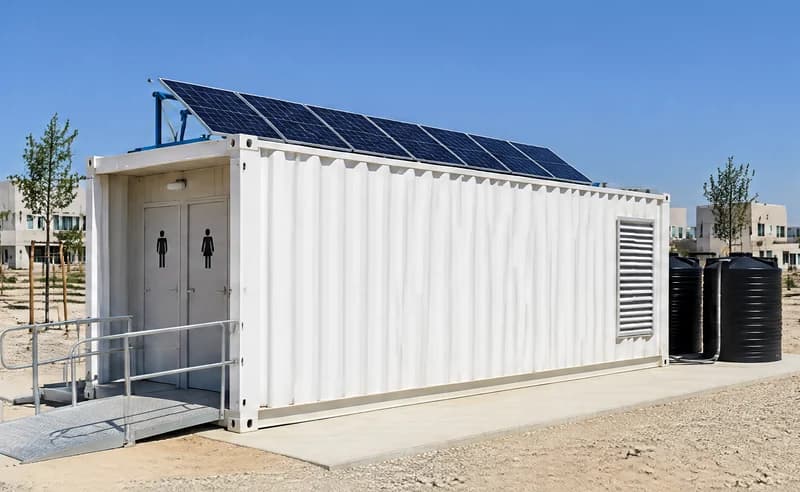
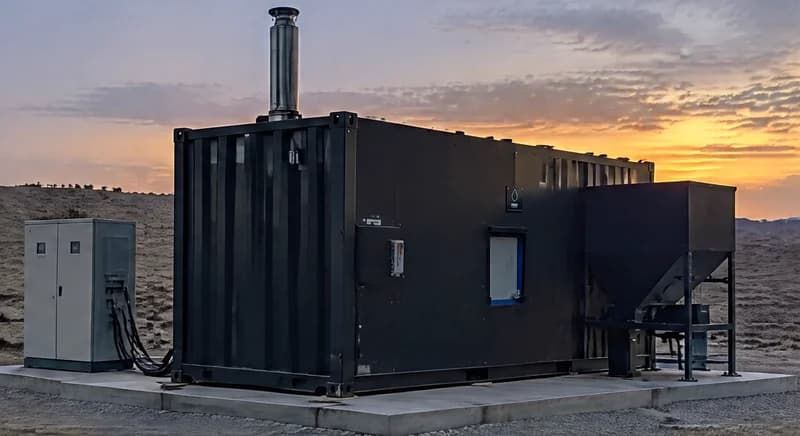
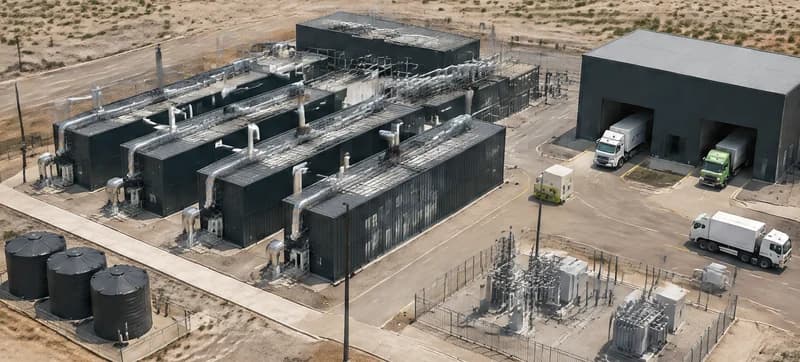
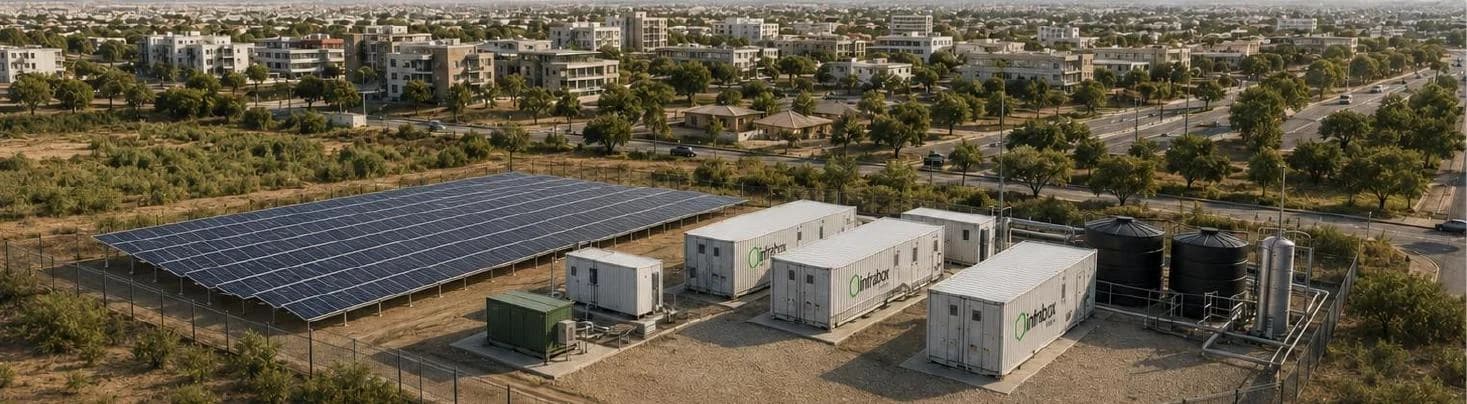
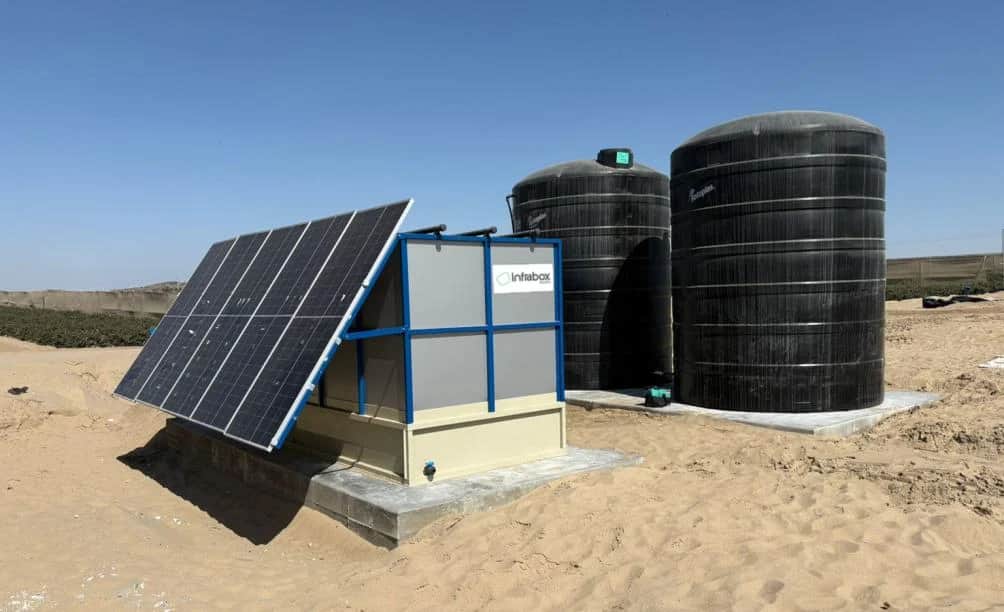
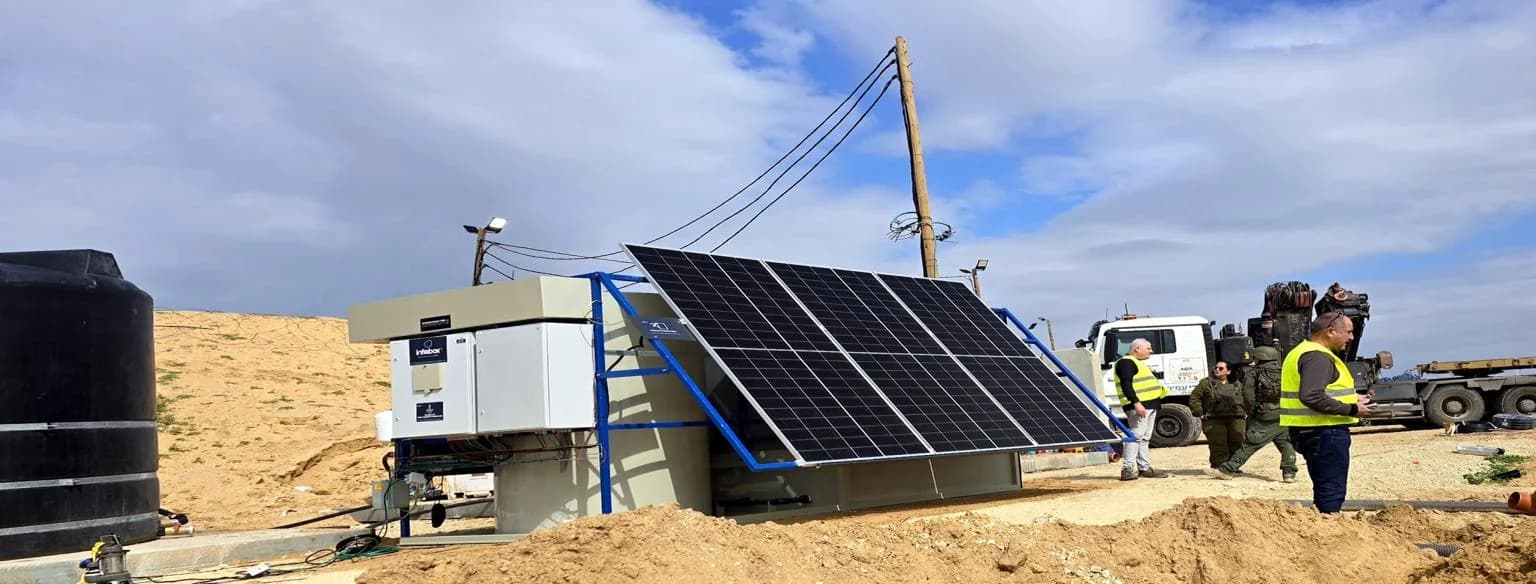
A forward base runs on INFRABOX.
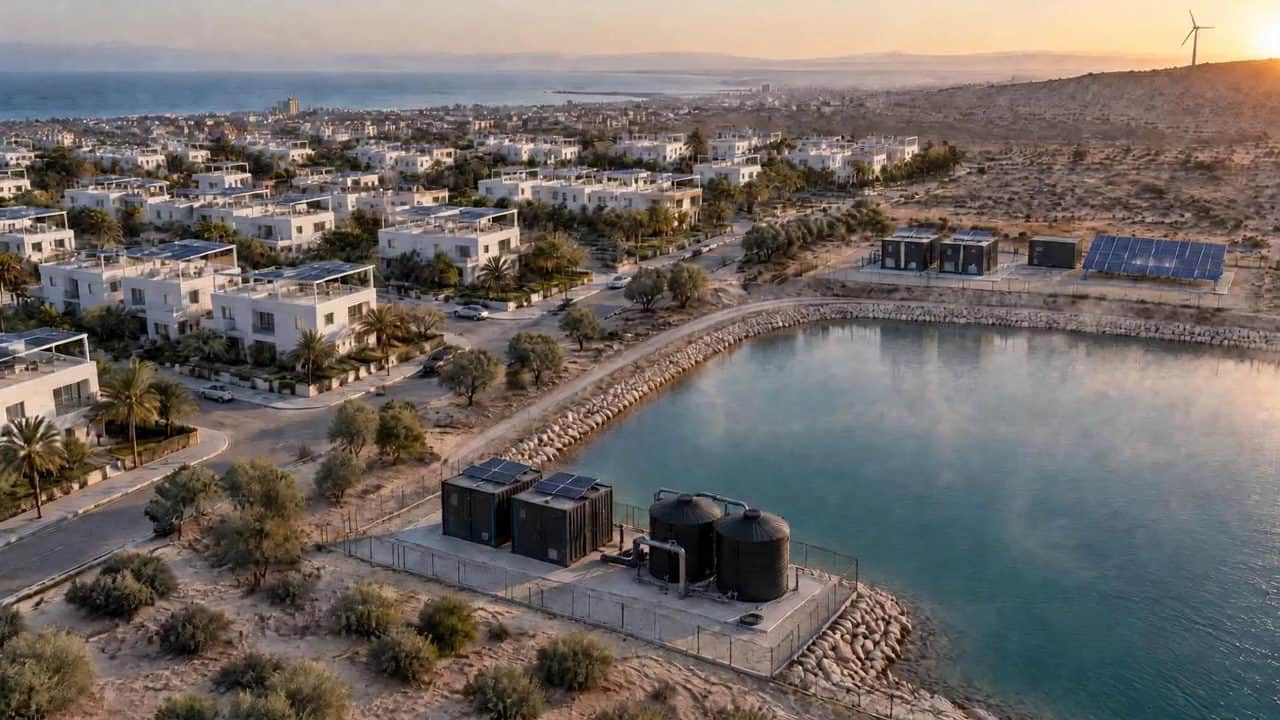
Sewage treated on site and 5 kW of solar in the first phase; a second phase adds 30 kW of generation and 30 kW of storage with Ministry of Energy funding.
LOCALIZED INFRASTRUCTURE SYSTEMS
INFRABOX builds the utilities a new development needs, water, electricity, sewage, smart metering and billing, as localized systems planned into the neighborhood from the first drawing. The community runs on its own resources, with no dependence on a distant grid, a connection line or a tanker route.
10-60010-600
m3 PER DAY
8-4,8008-4,800
USERS SERVED
16 kW-1 MW+16 kW-1 MW+
ENERGY STORAGE
12-2012-20
YEARS SYSTEM LIFE
01WHAT INFRABOX DELIVERS
Every system arrives as a containerized unit, sized to the community, and reports to one screen.
02THE SYSTEMS
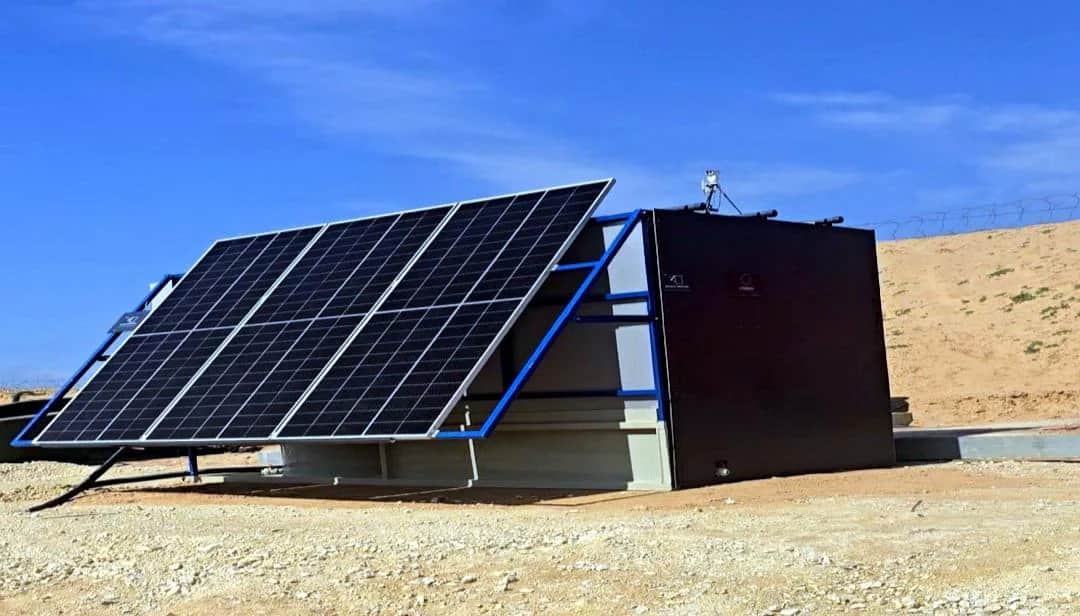
Every INFRABOX product is the same idea at a different scale: a containerized utility that generates its own power, runs itself and reports home.
03THE PROBLEM
Sewage leaves by tanker truck, week after week, on exposed roads. Power arrives by diesel or a connection line priced in the millions. The spending never stops, and it never becomes an asset.
Heavy vehicles and a fixed weekly removal run to and from the site.
Every removal is a movement, a route and an operational weak point.
Removal fees continue forever, with no asset and no return.
04ONE VILLAGE, BEFORE AND AFTER
Before, the village pays for isolation: an open drain along a dirt street, water by tanker, power from a diesel generator that runs when there is fuel. After, the same ground carries its own utilities: a treatment unit on its pad, a solar field, a reservoir of treated water, a paved street and homes built for the rooftop kit. Drag the handle to compare.
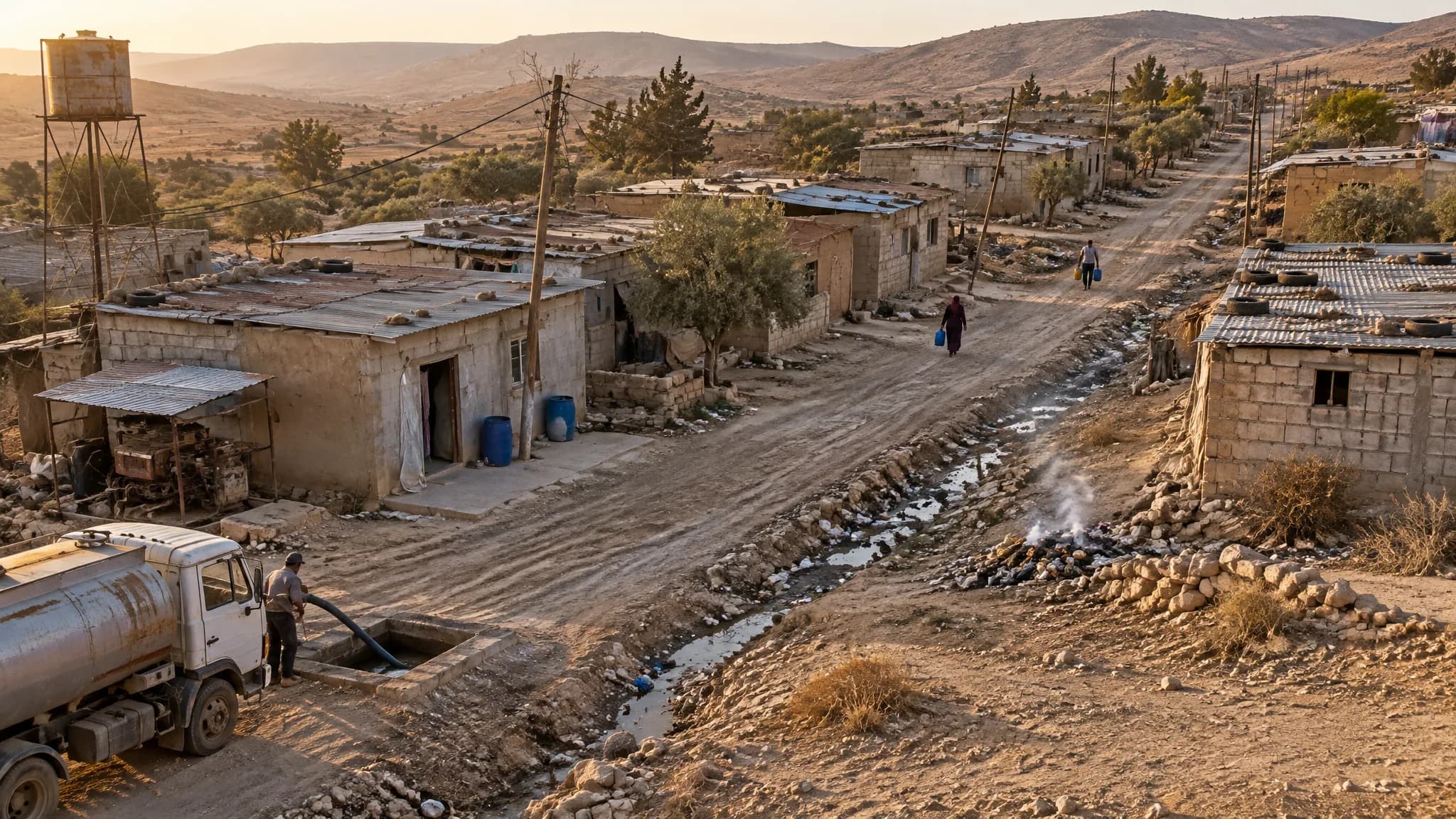
BEFORE
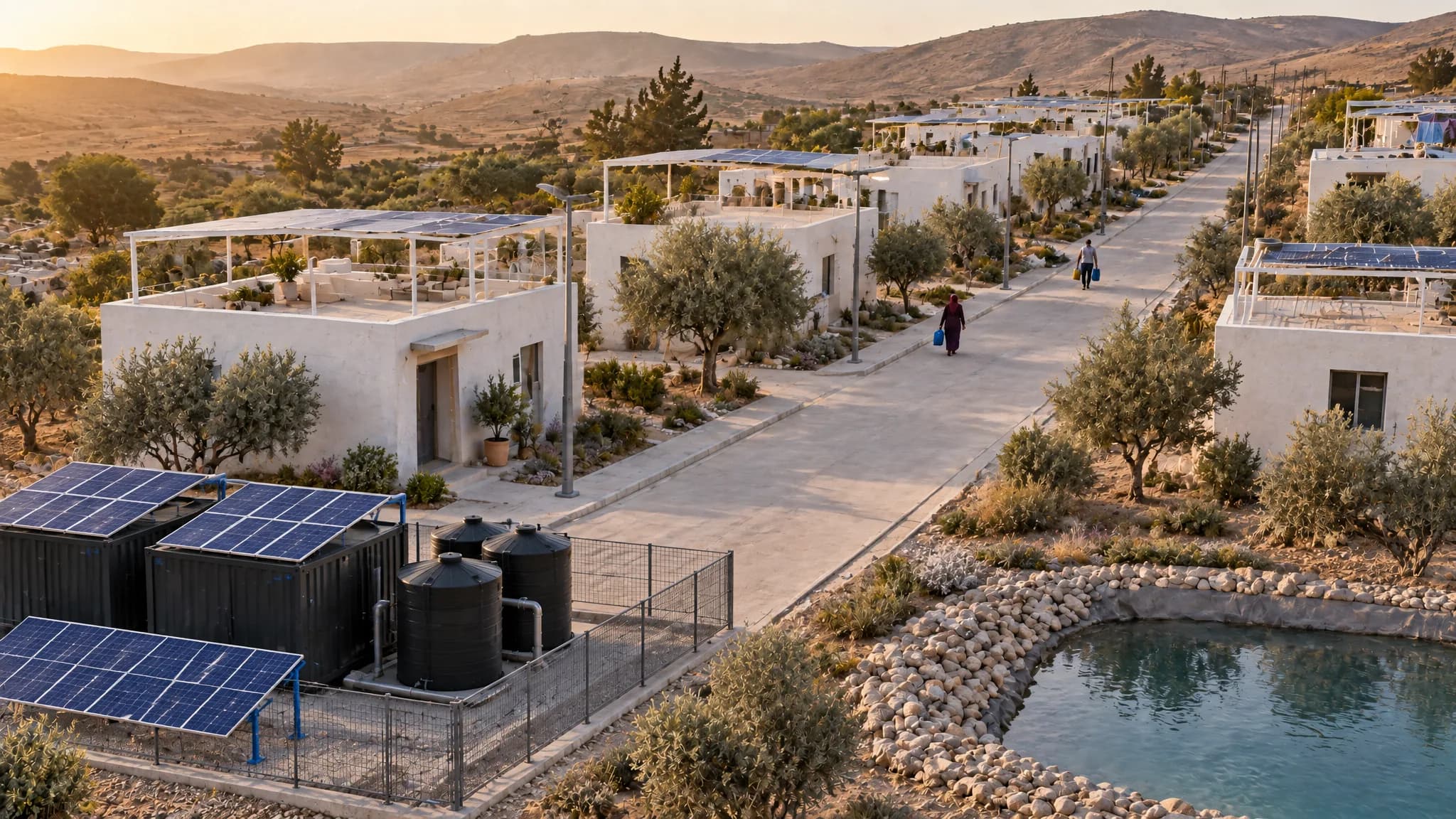
AFTER
ILLUSTRATIVE. THE SAME VILLAGE FROM ONE DRONE POSITION.
05WHAT CHANGES FOR THE PEOPLE
A unit on its pad changes what a day looks like for the people around it. Nobody carries water. The open drain that spread disease is a pipe under the street. The treated water goes back onto fields that were dust, and the spending that left every week with the tanker stays in the village, as a utility it owns.
Drawn from a well, a stream or the sea, purified on site and delivered to the tap.
Sewage treated inside the village to the irrigation standard, with no tanker run and no open drain.
Solar and storage that carry a clinic, the street lights and the pumps through the night.
A utility the village owns, with its operators trained under the care framework.
06FROM SURVEY TO A LIVE SITE
A drone survey becomes a measured 3D model of the site.
Pad, capacity, energy package and reuse line are fixed on the model. The design package follows the next day.
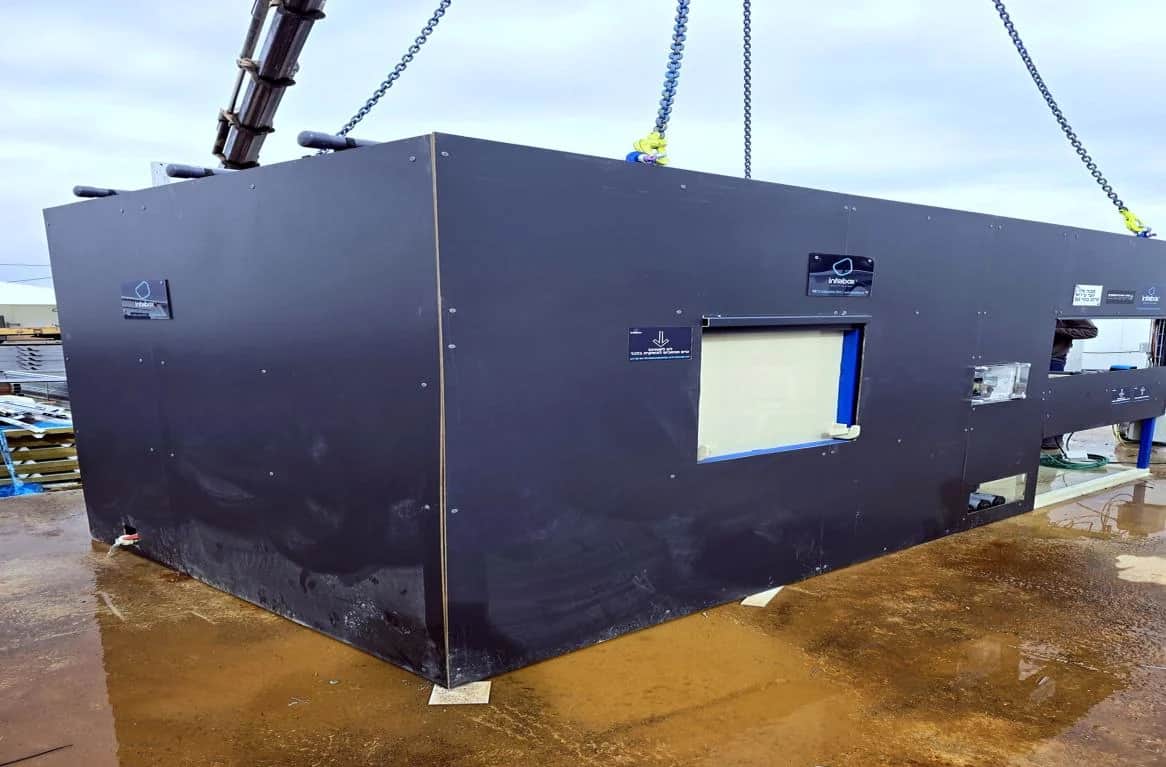
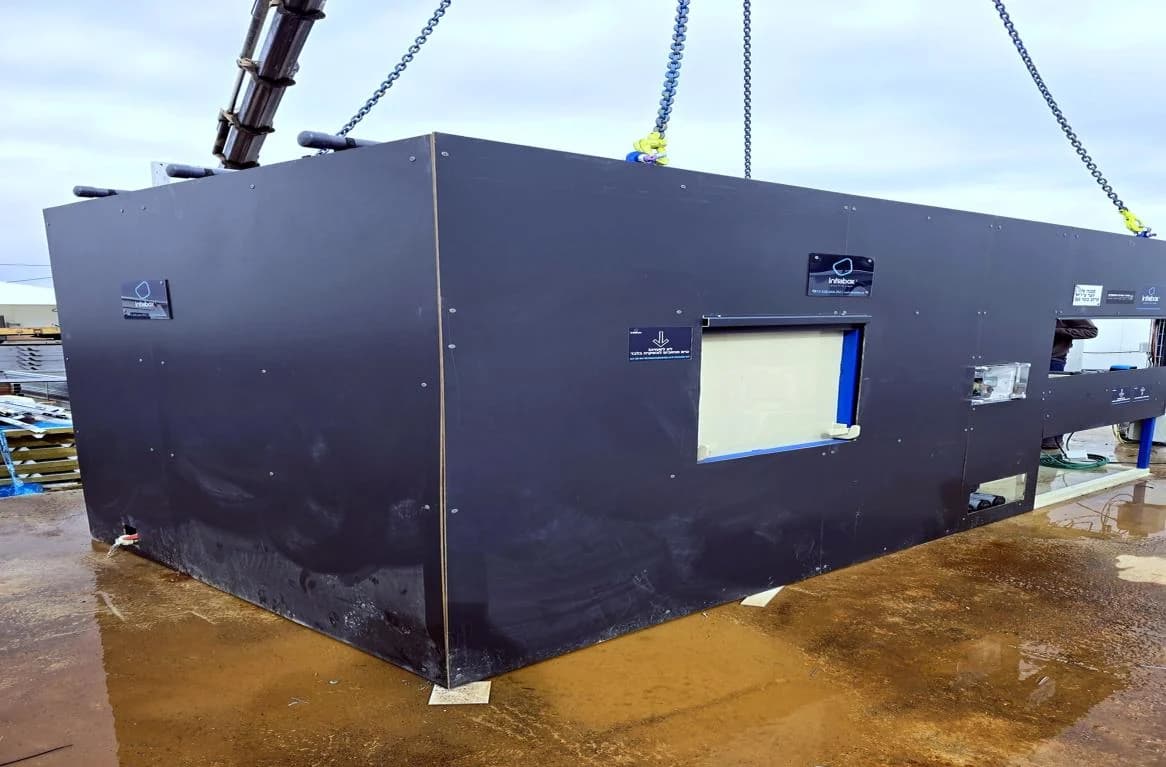
The unit is built and tested as a sealed container, ready for transport.
The unit is set on the prepared pad and connected: sewer, power, telemetry.
Commissioning, then the site runs itself and reports home.
WHAT IT REPLACES
A connection line priced in the millions, years of civil works, tanker and diesel logistics, and a standing technical crew.
07INSIDE EVERY UNIT
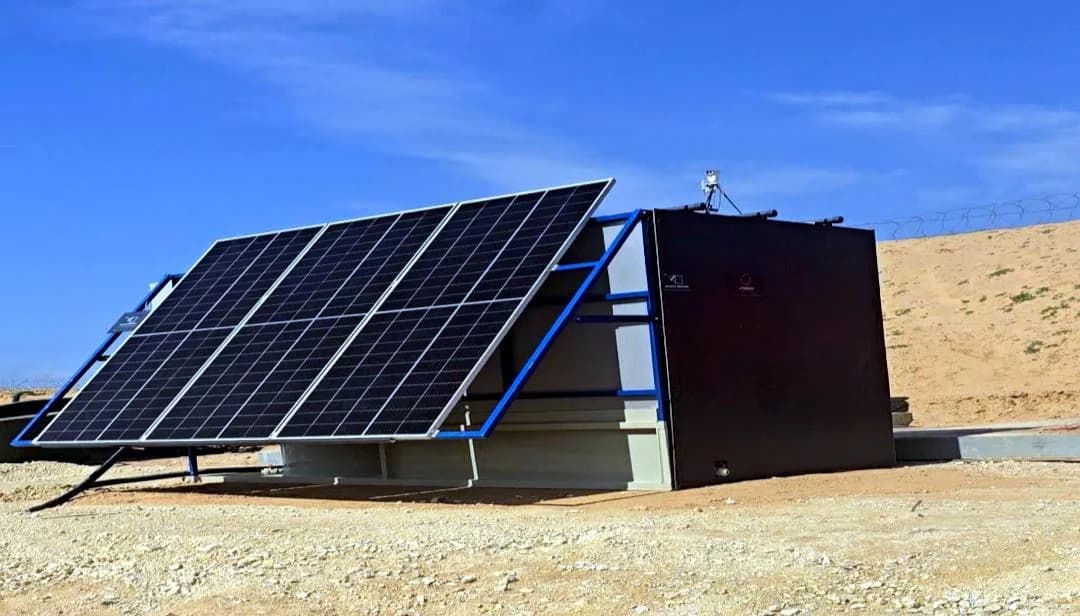
680 W680 W
PANEL OUTPUT
25.2%25.2%
MODULE EFFICIENCY
16 kW-1 MW+16 kW-1 MW+
ENERGY STORAGE
30 YR30 YR
PERFORMANCE WARRANTY
08EVIDENCE
| PARAMETER | RESULT | STANDARD |
|---|---|---|
| COD | 42 | 100 |
| BOD | < 5 | 20 |
| TSS | < 5 | 30 |
| Ammonia nitrogen | 4.84 | 50 |
| pH | 7.15 | 8.5 |
| Chloride | 133 | 250 |
Values in mg/L. Sample of 14.07.2026, certified laboratory analysis SO261011197. Meets the Ministry of Health regulation for unrestricted irrigation.
“The local sewage treatment facility is a good solution and an alternative to tanker removal. Beyond the economic saving, it will reduce the sanitary risk of raw sewage reaching the environment and the soil.”
ARMY HEALTH BRANCH CONCLUSIONS, 2 AUGUST 2026, TRANSLATED
On 2 August 2026 the Army Health Branch of the IDF Medical Corps approved the use of INFRABOX local treatment systems in the IDF, tied to a long-term support and maintenance contract.
09WHERE INFRABOX RUNS
SOUTHERN ISRAEL, SINCE 2025
Sewage treated on site and 5 kW of solar in the first phase; a second phase adds 30 kW of generation and 30 kW of storage with Ministry of Energy funding.
GABON, JUNE 2025
The company's director presented agricultural and utility projects to the President of Gabon.
ISRAEL, AUGUST 2026
The Army Health Branch approved INFRABOX local treatment systems, tied to a long-term support contract.
HUMANITARIAN NEIGHBORHOODS
Potable water, electricity, sewage and reclaimed water planned with XTRATA construction, so sanitation arrives with the first residents.
10THE VILLAGE ECONOMICS
LONG-DISTANCE GRID EXTENSION
15-20M USD
PER VILLAGE
INFRABOX AT THE VILLAGE EDGE
7-10M USD
PER VILLAGE
CUMULATIVE SAVINGS AS DEPLOYMENT SCALES
VILLAGES DEPLOYED
USD, BILLIONS SAVED
5-10B USD AT 1,000 VILLAGES
30-50%30-50%
LOWER CAPEX
5-10M USD5-10M USD
SAVED PER VILLAGE
12 YR12 YR
PAYBACK
5-10B USD5-10B USD
SAVED ACROSS 1,000 VILLAGES
11REQUEST A SITE SURVEY
Tell us where the site is, how many people it serves and what leaves it by truck today. We reply within one working day.